
Dental health challenges affect thousands of residents across Kathmandu Valley every year. Poor oral hygiene, dietary habits, and delayed treatment contribute to widespread tooth decay, gum disease, and sensitivity. Understanding these problems and learning simple prevention methods can protect your smile and reduce long-term treatment costs.
Residents face unique oral health challenges shaped by local diet, environmental factors, and healthcare access patterns. Sugary tea consumption, air pollution, tobacco use, and limited dental awareness create conditions where preventable problems become severe. Early intervention and consistent home care routines make significant differences in maintaining healthy teeth and gums throughout life.
Most Common Dental Problems Faced by People in Kathmandu
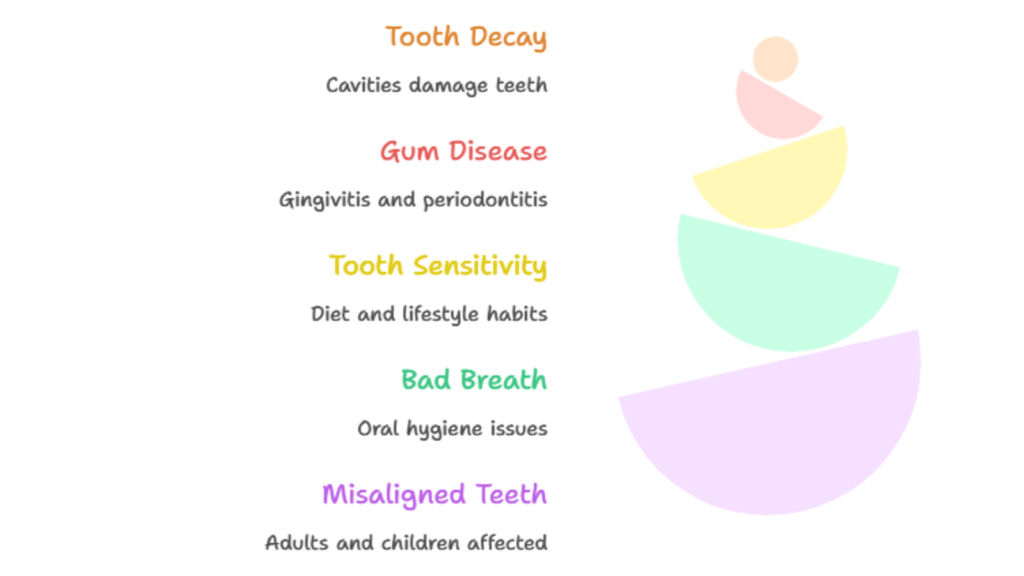
Residents of Kathmandu Valley encounter several recurring oral health issues that affect daily comfort and overall wellbeing. Tooth decay, gum disease, sensitivity, bad breath, and misaligned teeth rank among the most frequently reported concerns at dental clinics across Nepal. Many patients delay seeking professional help until pain becomes unbearable, which complicates treatment and increases expenses.
1. Tooth Decay and Cavities: Why They’re So Common in Kathmandu
Tooth decay ranks as one of the primary dental complaints among Kathmandu residents. High consumption of sugary tea, processed snacks, and irregular brushing habits create ideal conditions for cavity formation. Bacteria feed on sugar residue, producing acids that erode enamel, learn more about how cavities form and develop through plaque, diet, and dry mouth.
Children and young adults face particularly high cavity rates in urban Nepal. School-going children frequently consume sweet drinks and biscuits without proper oral care afterward. Adults who drink multiple cups of sweet tea throughout workdays expose their teeth to constant sugar attacks.
Cavities develop gradually, starting as small white spots on enamel surfaces. Pain begins once decay reaches deeper layers near nerves. Early detection during routine checkups prevents extensive damage and saves natural tooth structure.
2. Gum Disease (Gingivitis & Periodontitis)
Gum disease affects a significant portion of adults in Kathmandu, often without obvious early symptoms. Gingivitis, which represents mild gum inflammation, causes bleeding gums and gum disease symptoms like redness and discomfort during brushing. Periodontitis develops when gingivitis goes untreated, leading to bone loss and potential tooth mobility.
Plaque buildup along gumlines triggers inflammatory responses in soft tissues. Poor brushing technique, smoking, and stress contribute to worsening gum conditions. Many patients dismiss bleeding gums as normal, not realizing this signals active disease.
Advanced gum disease creates pockets between teeth and gums where bacteria accumulate. Bone supporting teeth gradually deteriorate, causing looseness and eventual tooth loss. Professional cleaning and improved home care reverse early-stage gum disease effectively.
3. Tooth Sensitivity Caused by Diet and Lifestyle Habits
Tooth sensitivity from hot and cold foods, that sharp, sudden pain when consuming tea, cold water, or sweets, often signals enamel erosion or exposed root surfaces. Enamel erosion, exposed root surfaces, and worn fillings commonly cause this discomfort. Many Kathmandu residents experience sensitivity but continue consuming triggering foods without addressing underlying causes.
Aggressive brushing with hard-bristled toothbrushes wears away enamel over time. Acidic foods like pickles, citrus fruits, and carbonated drinks soften enamel, making teeth vulnerable to wear. Grinding teeth during sleep also contributes to sensitivity by wearing down protective enamel layers.
Sensitivity typically worsens gradually, affecting quality of life and eating habits. Desensitizing toothpastes provide temporary relief but do not fix structural problems. Dentists identify specific causes and recommend appropriate treatments, from fluoride applications to protective bonding.
4. Bad Breath (Halitosis) Linked to Oral Hygiene Issues
Persistent bad breath affects social interactions and confidence, explore the full breakdown of causes and treatments for bad breath (halitosis) including common myths. Poor oral hygiene allows bacteria to accumulate on tongue surfaces, between teeth, and along gumlines. These bacteria produce sulfur compounds that create unpleasant odours.
Skipping floss allows food particles to rot between teeth overnight. Tongue coating, particularly toward the back, harbours millions of odour-causing bacteria. Dry mouth, which reduces saliva production, worsens bad breath since saliva naturally cleanses oral tissues.
Certain foods like raw onions, garlic, and spicy curries temporarily worsen breath odour. Smoking and tobacco chewing leave lasting smells that regular brushing cannot eliminate. Professional cleaning removes hardened deposits that home care misses, significantly improving breath freshness.
5. Misaligned and Crowded Teeth Among Adults and Children
Crooked, crowded, or protruding teeth affect both appearance and function for many Nepalese families. Genetics, thumb-sucking habits, and premature loss of baby teeth contribute to alignment problems. Crowded teeth create cleaning difficulties, increasing cavity and gum disease risk.
Children with misaligned teeth often face teasing at school, affecting self-esteem. Adults with crooked teeth may avoid smiling in photographs or social situations. Bite problems from misalignment can cause jaw pain, headaches, and uneven tooth wear.
Early orthodontic evaluation helps identify developing alignment issues before permanent teeth fully erupt. Braces vs Invisalign in Kathmandu, along with space maintainers, can correct various alignment problems effectively depending on severity and budget. Addressing misalignment improves oral health, facial appearance, and long-term dental function.
Root Causes of Dental Problems in Kathmandu Valley
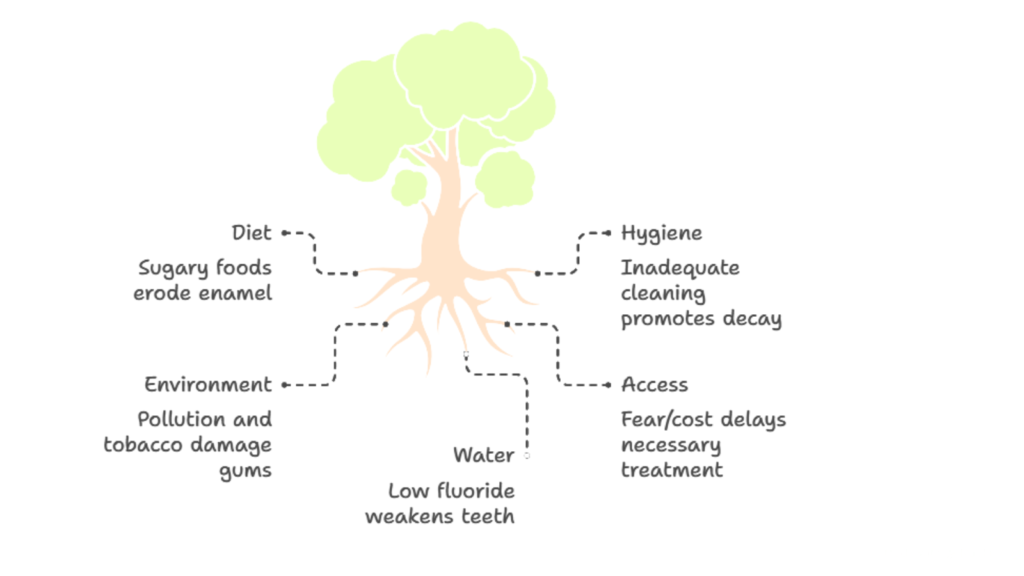
Multiple interconnected factors contribute to high rates of dental problems across Kathmandu. Diet patterns, hygiene practices, environmental conditions, access barriers, and water quality all play significant roles. Understanding these root causes helps patients make informed decisions about prevention and care.
1. Impact of Local Diet, Sugary Tea, and Processed Foods
Dietary habits in Kathmandu significantly influence oral health outcomes across all age groups. Sweet milk tea consumed multiple times daily bathes teeth in sugar for extended periods. Biscuits, chocolates, and packaged snacks have become regular dietary staples, especially among children and office workers.
Frequent snacking between meals prevents saliva from naturally neutralizing acids and repairing enamel. Sticky sweets like laddu and barfi cling to tooth surfaces for hours after eating. Rice-based meals, while staple foods, also convert to sugars that feed cavity-causing bacteria.
Traditional foods like sel roti, jeri, and other festival sweets pose additional challenges during celebrations. Many families consume these treats without immediate brushing, allowing prolonged sugar exposure. Reducing sugar frequency matters more than total amount consumed in preventing decay.
2. Poor Oral Hygiene Practices and Lack of Awareness
Many Kathmandu residents learned limited oral care techniques during childhood, passing incomplete knowledge to their children. Brushing once daily, using incorrect technique, or skipping floss entirely remains common. Some people believe brushing hard cleans better, actually damaging gums and enamel instead.
Limited health education in schools and communities means many people lack basic dental knowledge. Myths about dental care persist, including beliefs that bleeding gums result from brushing too much. Some families share toothbrushes or use traditional cleaning methods that provide inadequate plaque removal.
Awareness about preventive care has improved in recent years but gaps remain significant. Many patients visit dentists only when severe pain develops, missing opportunities for early intervention. Public health campaigns and school programs gradually address these knowledge gaps across Nepal.
3. Effects of Air Pollution and Tobacco Use on Oral Health
Kathmandu’s air quality, ranked among the worst globally, affects respiratory and oral health. Particulate matter and pollutants irritate oral tissues and may contribute to inflammatory responses. Dust particles settle on teeth throughout the day, requiring thorough cleaning.
Tobacco use, whether smoking cigarettes or chewing products like gutka and paan, severely damages oral tissues. Smoking reduces blood flow to gums, impairing healing and worsening gum disease. Tobacco products stain teeth, cause bad breath, and dramatically increase the risk of oral cancer: learn the early signs and when to get a screening.
Young adults increasingly adopt smoking habits, influenced by social factors and stress. Chewing tobacco products remains prevalent among certain age groups and communities. Quitting tobacco represents one of the most impactful decisions for improving oral and overall health.
4. Delaying Dental Visits Due to Fear or Cost Concerns
Dental anxiety prevents many Kathmandu residents from seeking timely care, even when experiencing pain. Past negative experiences, fear of injections, or anticipated discomfort cause people to postpone appointments. This delay allows small problems to progress into complex, expensive conditions requiring extensive treatment.
Cost concerns significantly influence treatment decisions for middle and lower-income families. Preventive checkups seem unnecessary when immediate problems don’t exist, leading to missed early detection opportunities. Emergency visits cost substantially more than routine preventive care would have required.
Lack of dental insurance coverage means families pay entirely out-of-pocket for treatments. Prioritizing other household expenses over dental care delays intervention until situations become urgent. Clinics offering payment plans and transparent pricing help address financial barriers to accessing care.
5. Water Quality, Fluoride Levels, and Dental Health
Water quality in Kathmandu varies significantly across different areas and seasons. Municipal water supplies generally contain lower fluoride levels compared to optimal concentrations for cavity prevention. Some areas have naturally occurring fluoride, while others lack this protective mineral entirely.
Fluoride strengthens enamel and helps repair early decay spots before cavities form. Children developing permanent teeth particularly benefit from appropriate fluoride exposure through water, toothpaste, and professional applications. Excessive fluoride causes fluorosis, though this remains uncommon in Nepal.
Many families rely on filtered or bottled water, which may remove beneficial minerals including fluoride. Balancing water purity with mineral content presents ongoing challenges for public health. Dentists recommend fluoride toothpaste for all ages to compensate for variable water fluoride levels.
How to Avoid Common Dental Problems: Daily Prevention Guide
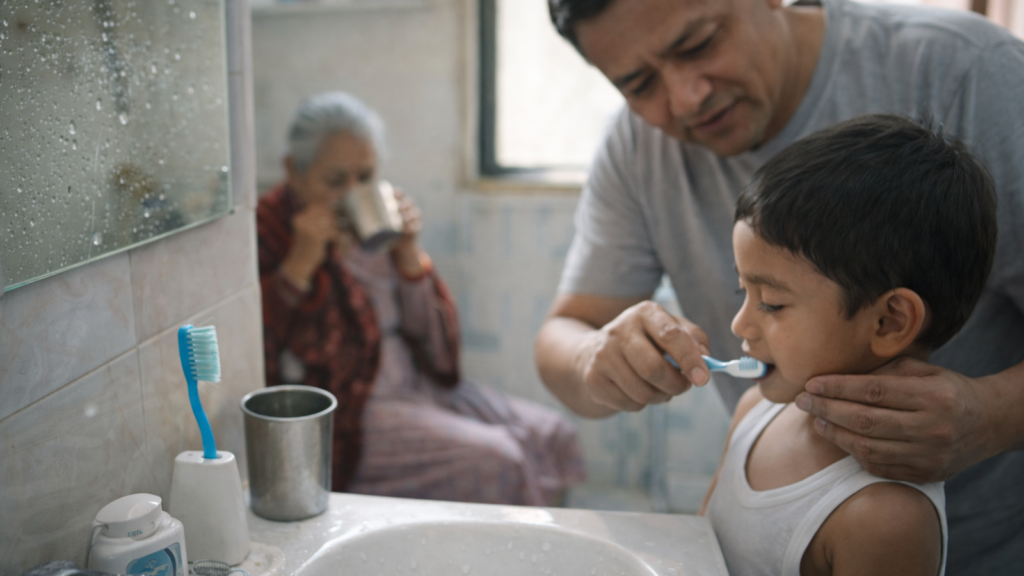
Preventing dental problems requires consistent daily habits rather than occasional intensive efforts. Simple routines, performed correctly and regularly, protect teeth and gums from most common conditions. Understanding proper techniques and choosing appropriate products maximizes prevention effectiveness.
1. Proper Brushing and Flossing Techniques
Brush teeth twice daily for two minutes (120 seconds) each session using gentle circular motions. Hold your toothbrush at a 45-degree angle toward gumlines, where plaque accumulates most. Clean outer surfaces, inner surfaces, and chewing surfaces of all teeth systematically.
Replace toothbrushes every three months (90 days) or sooner when bristles become frayed. Soft-bristled brushes clean effectively without damaging gums or enamel. Electric toothbrushes help people who struggle with manual brushing technique, though proper manual brushing works equally well.
Floss daily to remove plaque and food particles from between teeth where brushes cannot reach. Gently slide floss between teeth, curve around each tooth, and move up and down several times. Flossing before brushing allows fluoride from toothpaste to reach between teeth more effectively.
2. Choosing the Right Toothpaste and Oral Care Products
Select fluoride toothpaste approved by dental associations for daily cavity protection. Children under six years should use pea-sized amounts to minimize fluoride ingestion while brushing. Adults benefit from toothpastes addressing specific concerns like sensitivity, whitening, or gum health.
Mouthwash provides additional protection but cannot replace brushing and flossing. Antiseptic mouthwashes reduce bacteria temporarily, while fluoride rinses strengthen enamel. Alcohol-free formulations prevent mouth dryness, particularly beneficial for people with naturally low saliva production.
Tongue cleaners remove bacterial coating from tongue surfaces, improving breath freshness and reducing overall bacterial load. Children require age-appropriate toothbrushes with smaller heads and softer bristles. Consult dentists in Kathmandu for product recommendations suited to individual needs and conditions.
3. Foods to Eat and Avoid for Strong Teeth and Gums
Calcium-rich foods like milk, cheese, yogurt, and leafy greens strengthen teeth and bones. Crunchy vegetables and fruits stimulate saliva production, which naturally cleanses teeth and neutralizes acids. Nuts, especially almonds, provide calcium and protein without sugar content.
Limit sugary foods and drinks to mealtimes rather than constant snacking throughout the day. Rinse your mouth with plain water after consuming sweets or acidic foods. Drink plain water instead of sweetened beverages, which continuously bathe teeth in sugar.
Avoid sticky candies, dried fruits, and caramel that cling to teeth for extended periods. Acidic drinks like sodas and sports drinks erode enamel even when sugar-free. Chewing sugar-free gum after meals increases saliva flow and helps clean teeth when brushing is impossible.
4. Importance of Routine Dental Checkups in Kathmandu
Schedule a complete dental checkup, what’s included and why it matters, ideally every six months, for professional cleaning and early problem detection. Dentists detect early problems invisible to patients, including small cavities, gum inflammation, and oral lesions. Professional cleaning removes hardened tartar that home brushing cannot eliminate.
Regular visits establish treatment history and allow dentists to monitor changes over time. X-rays reveal hidden problems between teeth and below gumlines before symptoms develop. Early treatment remains simpler, less painful, and significantly less expensive than emergency interventions.
Children benefit from early dental visits, ideally starting when first teeth appear. Establishing positive dental experiences during childhood reduces fear and encourages lifelong preventive habits. Pregnant women require special attention since hormonal changes affect gum health during pregnancy.
5. Simple Oral Care Habits for Children and Elderly Family Members
Start cleaning baby teeth as soon as they appear using soft cloths or infant toothbrushes. Children need parental supervision while brushing until approximately eight years old to ensure thorough cleaning. Make brushing fun through songs, timers, or reward systems that encourage consistency.
Elderly family members may face challenges with manual dexterity, making electric toothbrushes or modified handles helpful. Denture wearers must clean dentures daily and maintain healthy gums underneath. Dry mouth increases with age, requiring extra attention to hydration and possibly saliva substitutes.
Monitor children’s sugar intake and encourage healthy snacking habits from early ages. Teach proper technique through demonstration and positive reinforcement rather than criticism. Family members with medical conditions or medications affecting oral health need customized care plans from dental professionals.
When to See a Dentist in Kathmandu: Early Warning Signs

Recognizing when professional dental care becomes necessary prevents complications and preserves natural teeth. Certain symptoms indicate developing problems requiring prompt attention. Understanding warning signs helps patients seek timely treatment before conditions worsen significantly.
1. Tooth Pain, Bleeding Gums, and Persistent Bad Breath
Tooth pain ranging from mild sensitivity to severe throbbing indicates problems requiring professional evaluation. Pain when biting, spontaneous pain, or discomfort lasting more than two days needs dental attention. Even mild pain suggests underlying issues that will likely progress without treatment.
Bleeding gums during brushing or flossing signals inflammation requiring assessment and intervention. Occasional minor bleeding may result from brushing too hard, but persistent bleeding indicates gum disease. Swollen, red, or tender gums accompany bleeding in active inflammatory conditions.
Bad breath persisting despite improved home care suggests deeper issues like gum disease or decay. Morning breath improves after brushing, but lasting odour throughout the day indicates bacterial accumulation. Chronic bad breath affects social interactions and may signal systemic health problems beyond the oral cavity.
2. Loose Teeth, Swelling, and Signs of Infection
Adult teeth should never feel loose or shift position. Mobility indicates bone loss from gum disease or trauma requiring immediate evaluation. Children’s loose primary teeth represent normal development, but premature looseness needs assessment.
Facial swelling, particularly around the jaw or cheeks, signals infection spreading beyond teeth into surrounding tissues. Fever, difficulty swallowing, or breathing problems accompanying dental swelling constitute medical emergencies. Infections can spread rapidly, requiring antibiotics and possibly drainage procedures.
Pus discharge, foul taste, or visible abscesses near teeth indicate active infections needing urgent treatment. Infections destroy bone and soft tissue while causing severe pain and systemic illness. Root canal treatment or extraction removes infection sources and prevents dangerous complications.
3. Tooth Sensitivity That Doesn’t Go Away
Sensitivity persisting beyond two weeks despite using desensitizing toothpaste warrants dental evaluation. Sharp pain from hot, cold, sweet, or acidic foods indicates exposed dentin or nerve involvement. Sensitivity concentrated on one tooth suggests specific problems like cracks or decay.
Sudden sensitivity onset after dental work usually resolves within days as tissues heal. Worsening sensitivity or pain spreading to surrounding teeth requires prompt follow-up. Some sensitivity results from enamel erosion needing protective treatments beyond home remedies.
Teeth grinding (bruxism): signs, damage, and night guard options, a common but under-diagnosed cause of worn enamel and sensitivity, responds well to custom nightguards. Receding gums expose root surfaces lacking protective enamel, causing widespread sensitivity. Dentists identify specific causes through examination and recommend targeted treatments addressing underlying problems.
4. Dental Problems That Need Immediate Professional Care
Knocked-out permanent teeth require reimplantation within 60 minutes (3,600 seconds) for best survival chances. Hold teeth by crowns, rinse gently, and keep moist in milk or saliva until reaching emergency dental care. Immediate treatment significantly improves outcomes for dental trauma.
Broken or cracked teeth causing sharp pain or rough edges need same-day appointments. Large pieces of broken fillings or crowns leave teeth unprotected and sensitive. Loose crowns or bridges require recementation to prevent further damage or loss.
Objects stuck between teeth causing pain or bleeding need professional removal to avoid tissue damage. Jaw injuries from accidents or falls require evaluation for fractures or tooth damage. Sudden changes in bite alignment or inability to close mouth normally indicate urgent problems.
5. How Early Treatment Can Save Teeth and Reduce Costs
Small cavities require simple fillings completed in single appointments at modest costs. Delayed treatment allows cavities to reach nerves, necessitating root canals, crowns, and multiple appointments. Advanced decay may render teeth unsalvageable, requiring extraction and replacement with implants or bridges.
Early gum disease reverses completely with professional cleaning and improved home care. Advanced periodontitis requires specialized treatments, possible surgeries, and ongoing maintenance appointments. Tooth loss from untreated gum disease creates expensive replacement needs affecting chewing function and appearance.
Preventive care costs a fraction of restorative and emergency treatments. Regular checkups detect problems early when solutions remain simple and affordable. Investing in prevention and early treatment protects both oral health and financial resources over lifetimes. You can visit dental in Kathmandu to get the right treatment.
Frequently Asked Questions
What causes tooth decay in children living in Kathmandu?
Children in Kathmandu develop cavities primarily from frequent consumption of sugary snacks, sweet tea, and inadequate brushing habits. Bacteria feed on sugar residue, producing acids that dissolve tooth enamel and create cavities. Parents should limit sugary foods, ensure twice-daily brushing, and schedule regular dental checkups for early detection and prevention.
How often should adults visit dentists in Nepal?
Adults should visit dentists every six months (180 days) for professional cleaning and examination. People with gum disease, high cavity rates, or systemic health conditions may require more frequent visits every three to four months. Regular checkups detect problems early when treatment remains simple and cost-effective.
Can gum disease be reversed completely?
Early-stage gum disease (gingivitis) reverses completely with professional tartar removal (why it matters)
and improved home oral hygiene practices. Advanced gum disease (periodontitis) cannot be fully reversed since bone loss is permanent, but progression can be stopped. Regular maintenance and proper home care prevent further deterioration and preserve remaining teeth.
What should people do when experiencing severe tooth pain?
Rinse your mouth with warm salt water and take over-the-counter pain medication following package directions. Contact a dentist immediately for same-day emergency evaluation and treatment. Avoid placing aspirin or other medications directly on gums, which causes chemical burns without relieving underlying problems.
Are dental implants available in Kathmandu?
Yes, dental implants in Kathmandu are available at numerous specialized clinics using modern technology and international-standard materials.. Experienced implant dentists perform these procedures using modern technology and international-standard materials. Implant costs range from 40,000 to 80,000 NPR per tooth including crown, varying by clinic and specific case requirements.
Why do teeth become sensitive to cold water?
Tooth sensitivity occurs when enamel wears thin or gums recede, exposing underlying dentin containing nerve endings. Cold temperatures stimulate these exposed nerves, causing sharp pain. Aggressive brushing, acidic foods, grinding habits, and gum disease commonly cause sensitivity requiring professional evaluation and treatment.
How does tobacco affect oral health in Nepal?
Tobacco use, whether smoking or chewing, severely damages oral tissues by reducing blood flow, impairing healing, and introducing carcinogens. Tobacco products cause gum disease, tooth staining, bad breath, and dramatically increase oral cancer risk. Quitting tobacco represents one of the most important decisions for improving oral and overall health.
What dental problems require emergency care?
Dental emergencies include severe pain, uncontrolled bleeding, facial swelling, knocked-out permanent teeth, and dental trauma from accidents. Infections causing fever, difficulty swallowing, or breathing problems constitute medical emergencies requiring immediate attention. Contact emergency dental services or hospital emergency departments for urgent situations outside regular hours.
How much does root canal treatment cost in Kathmandu?
Root canal treatment in Kathmandu typically costs between 5,000 to 15,000 NPR depending on tooth location and case complexity. Front teeth generally cost less than molars requiring treatment of multiple root canals. Prices vary among clinics based on dentist experience, location, and technology used during procedures.
Can poor water quality cause dental problems?
Water quality affects dental health primarily through fluoride content, which strengthens enamel and prevents cavities. Kathmandu’s water supplies generally contain lower fluoride levels than optimal for cavity prevention. Using fluoride toothpaste compensates for variable water fluoride levels, protecting teeth effectively regardless of water source.