
Dry mouth (xerostomia) is more than an annoying “cotton mouth” feeling, when saliva is low, your mouth loses its natural protection against cavities, gum inflammation, mouth infections, and even persistent bad breath. In Kathmandu, many patients notice dryness after starting common medicines (for allergies, blood pressure, anxiety/depression) or alongside diabetes, stress, smoking, and mouth breathing at night.
This guide explains what dry mouth really is, the most common causes (especially medications and diabetes), and why it often goes hand-in-hand with halitosis. You’ll also get practical, safe remedies you can start at home, plus what a dental clinic can check to prevent rapid tooth decay and recurring mouth problems.
Dry Mouth (Xerostomia) Explained: What It Is and Why It Matters
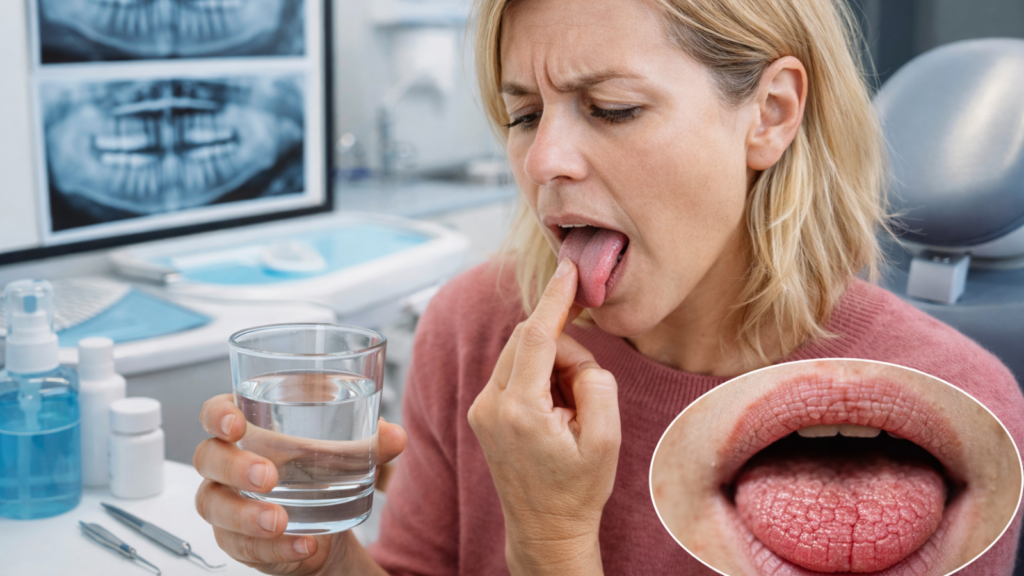
Dry mouth, medically termed xerostomia, occurs when your salivary glands fail to produce enough saliva to keep your mouth comfortably moist. This condition affects millions worldwide and ranges from occasional mild discomfort to a chronic problem that significantly impacts oral health, nutrition, and quality of life.
Dry mouth vs dehydration vs mouth breathing: quick ways to tell the difference
Many patients confuse dry mouth with simple dehydration or nighttime mouth breathing. The differences matter for treatment.
- Dehydration typically resolves within 30 to 60 minutes after drinking water, and you will notice other body-wide symptoms such as dark urine, headache, and fatigue. Your mouth feels dry, but saliva production returns quickly once you rehydrate.
- Xerostomia persists even after drinking adequate fluids. You might drink water constantly yet still feel a sticky, uncomfortable sensation. The dryness returns within minutes of drinking.
- Mouth breathing (common during sleep or with nasal congestion) creates temporary morning dryness that improves significantly within the first hour of waking. Your mouth feels parched upon waking, but normal saliva flow resumes once you breathe through your nose and move around.
True xerostomia shows 3 telltale patterns: firstly, chronic dryness throughout the day regardless of water intake; secondly, difficulty swallowing dry foods like crackers without liquid; thirdly, persistent sticky or foamy saliva rather than clear, flowing saliva.
Common symptoms of xerostomia (sticky saliva, burning tongue, cracked lips, swallowing issues)
Recognizing xerostomia early prevents complications. Patients at our Putalisadak clinic commonly report these experiences:
- Your saliva feels thick, stringy, or foamy instead of watery. You wake with your tongue stuck to the roof of your mouth. Swallowing dry foods (rice, roti, biscuits) becomes difficult without liquids.
- A burning or tingling sensation develops on your tongue, especially the tip and sides. Your lips crack and peel despite using lip balm. The corners of your mouth develop painful splits (angular cheilitis).
- You experience difficulty speaking clearly for extended periods. Your voice sounds hoarse. You feel constant thirst that water does not fully satisfy.
- Bad breath (halitosis) persists even after brushing. Food tastes different or bland. Your tongue develops a white or yellow coating.
- Women often notice lipstick sticking to their teeth. Denture wearers struggle with retention and develop sore spots. These signs indicate your mouth lacks the protective saliva layer it needs.
What saliva does for your mouth: cavity protection, infection control, comfort, and taste
Most people never think about saliva until it disappears. Healthy adults produce 0.5 to 1.5 liters (500 to 1500 milliliters) of saliva daily. This fluid performs 4 critical jobs that preserve oral health.
- Cavity prevention ranks first. Saliva continuously bathes your teeth in calcium, phosphate, and fluoride, which remineralize early decay spots. It neutralizes acids from foods and bacteria within 30 to 60 minutes after eating. Reduced saliva flow allows acids to attack enamel for longer periods, accelerating cavity formation, we see patients develop 5 to 8 new cavities in just 6 months when xerostomia goes untreated.
- Infection control depends on antimicrobial proteins in saliva (lysozyme, lactoferrin, immunoglobulin A) that limit harmful bacteria, viruses, and fungi. Low saliva allows opportunistic organisms like Candida albicans to overgrow, causing oral thrush.
- Comfort and function rely on lubrication. Saliva creates a protective coating over soft tissues, preventing friction injuries. It dissolves food molecules so taste receptors function properly, dry mouth patients often complain that food “tastes like cardboard.”
Digestion begins in the mouth through salivary amylase, which breaks down starches. Saliva also forms food into a soft bolus you can swallow safely without choking.
What can happen if dry mouth is untreated (rapid cavities, gum problems, thrush, sores)
The mouth deteriorates quickly without adequate saliva. Understanding these consequences helps patients prioritize treatment.
- Rampant tooth decay emerges as the most common complication we treat at our Kathmandu clinic. Patients develop cavities in unusual locations, along the gum line, on root surfaces, and even on the biting edges of front teeth. Understanding how cavities form from dry mouth and dietary habits helps explain why what normally takes years can occur in 6 to 12 months. Root canal treatment (RCT) and extractions become necessary when decay reaches the nerve.
- Gum disease (periodontitis) progresses faster when saliva is reduced. Saliva normally washes away food debris and bacteria, but reduced flow allows bacterial plaque to accumulate, causing gum inflammation, bleeding, and eventually bone loss around teeth. We measure pocket depths increasing from 2 millimeters to 5 millimeters (2 to 5 mm) in just one year when xerostomia combines with poor home care.
- Oral thrush (candidiasis) appears as white patches on your tongue, cheeks, or palate that do not wipe away easily. This fungal infection causes burning and altered taste. Denture wearers develop red, painful tissue under their appliances.
- Mouth sores and ulcers form more frequently and heal slowly when saliva is low. The protective saliva barrier no longer cushions your tissues from sharp foods, hot drinks, or accidental bites, and distinguishing a simple canker sore from a sign of infection becomes important.
Difficulty swallowing leads to choking risks, especially with dry foods. Patients avoid nutritious whole grains and vegetables, shifting toward softer, often higher-sugar foods that worsen cavity risk.
When to see a dentist vs a doctor (and urgent red flags you shouldn’t ignore)
You need professional evaluation when dry mouth persists for more than 2 weeks despite increasing water intake and eliminating obvious triggers like mouth breathing.
- Visit a dentist first when your main concerns involve oral symptoms, cavities, gum bleeding, white patches, difficulty wearing dentures, persistent bad breath, or dental pain. We perform a comprehensive exam, measure saliva flow, check for decay and gum disease, and screen for oral infections. We coordinate with physicians when systemic causes seem likely.
- Consult a physician first when dry mouth accompanies other body-wide symptoms: excessive thirst and urination (diabetes warning), joint pain and dry eyes (autoimmune disease), significant fatigue and weight changes (thyroid problems), or when you recently started new medications.
Red flags requiring urgent attention include: difficulty swallowing liquids (not just solid food), which suggests severe xerostomia or neurological issues; sudden onset of extreme dryness after starting a new medication; white patches in your mouth that bleed when scraped; severe tongue pain preventing eating; or dry mouth appearing alongside chest pain, confusion, or signs of diabetic crisis.
If you take medications known to cause dry mouth and have diabetes, annual dental checkups prove insufficient, schedule visits every 4 to 6 months at BrightSmile Dental Clinic in Putalisadak to catch problems early.
The Real Causes of Dry Mouth: Medications, Diabetes, and Everyday Triggers
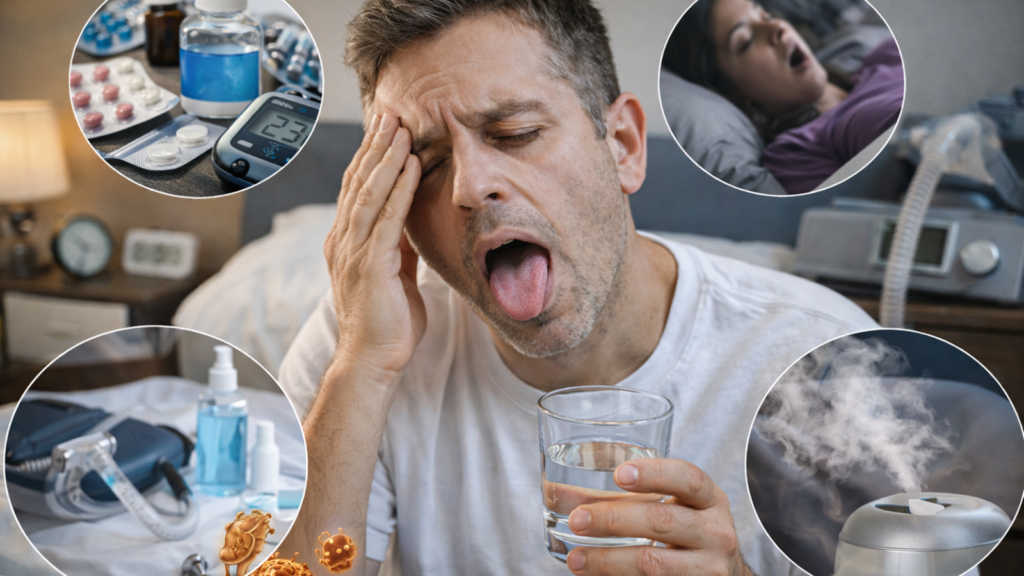
Most ongoing dry mouth is caused by medications or health conditions rather than simply drinking too little water. Diabetes can worsen dryness and raise the chance of infections, while night-time mouth breathing and snoring can make symptoms feel much worse in the morning. This section organizes the causes clearly so you can connect your symptoms to likely triggers and know what to discuss with your dentist or doctor.
Medication-induced dry mouth: common drug categories and what to ask before changing anything
More than 400 prescription and over-the-counter medications list dry mouth as a side effect, making drugs the most common cause of xerostomia in adults. The severity increases with the number of medications you take, patients on 5 or more drugs face significantly higher risk than those on 1 to 2 medications.
High-risk medication categories include antihistamines (cetirizine, loratadine), decongestants, antidepressants (amitriptyline, fluoxetine, sertraline), anti-anxiety drugs (alprazolam, diazepam), blood pressure medications (diuretics, beta-blockers), pain medications (opioids, tramadol), muscle relaxants, anti-nausea drugs, and medications for overactive bladder.
Blood pressure medications warrant special attention in Nepal where hypertension prevalence continues rising. Diuretics reduce body fluid overall, including saliva. Patients often take 2 to 3 blood pressure drugs simultaneously, compounding the drying effect.
Never stop or reduce medications without consulting your prescribing doctor. Abruptly stopping blood pressure drugs or antidepressants creates serious health risks. Instead, schedule a medication review.
Ask your doctor these 3 specific questions: firstly, could any of my current medications cause dry mouth, and are we using the minimum effective doses; secondly, do alternative medications in the same class produce less xerostomia; thirdly, can we adjust timing (taking the medication at night might reduce daytime dryness) or consider controlled-release formulations that cause fewer side effects?
Document your medication list with exact names, doses, and timing before your dental or medical appointment. Include supplements and herbal remedies, many patients forget that common items like antihistamines purchased for allergies contribute significantly to dry mouth.
Diabetes and dry mouth: why it happens and how it increases infection and gum risk
Diabetes creates a vicious cycle with oral health. High blood sugar (hyperglycemia) causes the kidneys to produce more urine to flush excess glucose. This systemic dehydration reduces saliva production. Additionally, poorly controlled diabetes damages small blood vessels and nerves in salivary glands, directly impairing their function.
Patients with fasting blood sugar above 126 milligrams per deciliter (126 mg/dL) or HbA1c above 6.5 percent frequently report dry mouth. The sensation worsens when blood sugar spikes after meals.
The combination of diabetes and xerostomia creates 3 compounding oral health risks: firstly, reduced saliva allows harmful bacteria to thrive, and high glucose in saliva and gingival fluid “feeds” these bacteria; secondly, immune function declines with poor diabetes control, reducing your ability to fight gum infections; thirdly, healing slows after dental procedures or minor injuries.
We observe diabetic patients with dry mouth developing aggressive periodontitis (gum disease) that causes rapid bone loss. Pockets around teeth deepen from 3 millimeters to 7 millimeters (3 to 7 mm) within one year. Tooth mobility and eventual loss become real concerns.
Treating dry mouth in diabetic patients requires a dual approach. Work with your physician to optimize blood sugar control, studies show that lowering HbA1c from 9 percent to 7 percent or below significantly improves salivary function over 3 to 6 months. Simultaneously implement aggressive oral hygiene and preventive dental care.
Diabetic patients should schedule dental checkups every 3 to 4 months rather than the standard 6-month interval. Bring recent blood sugar logs and HbA1c results to your dental appointment so we can tailor your prevention plan.
Dry mouth at night: mouth breathing, snoring, and sleep apnea signals worth checking
Nighttime dry mouth differs from daytime xerostomia and points toward mechanical causes rather than systemic disease. The most common culprit is mouth breathing during sleep.
Your mouth naturally dries out when you breathe through it for 6 to 8 hours. Nasal congestion forces mouth breathing, allergies, deviated septum, chronic sinusitis, or enlarged turbinates obstruct nasal passages. Patients wake with extremely dry, sticky mouths that improve within the first hour of the day once normal saliva flow resumes.
Snoring strongly suggests partial airway obstruction. You breathe through your mouth to compensate for restricted nasal or throat airway. Your sleeping partner might report loud snoring, gasping, or pauses in breathing.
Obstructive sleep apnea (OSA) represents the serious end of this spectrum. The throat muscles relax excessively during sleep, blocking airflow. You experience repeated breathing pauses (apneas) that fragment sleep and reduce oxygen levels. Mouth breathing and dry mouth occur alongside daytime fatigue, morning headaches, difficulty concentrating, and high blood pressure.
Sleep apnea carries significant health risks beyond dry mouth, increased risk of heart attack, stroke, and diabetes. The condition affects an estimated 5 to 15 percent of adults but remains underdiagnosed in Nepal.
Ask yourself these questions: Do you wake with a very dry mouth and throat? Does your partner complain about loud snoring or report that you stop breathing during sleep? Do you feel exhausted despite spending 7 to 8 hours in bed? Do you fall asleep easily during daytime activities?
If you answer yes to 2 or more questions, discuss sleep apnea screening with a physician. A sleep study (polysomnography) provides diagnosis. Treatment options include continuous positive airway pressure (CPAP) devices, oral appliances provided by dentists, or surgical correction of airway obstructions.
Mouth taping using specialized skin-safe tape helps some mild mouth breathers maintain nasal breathing overnight. Try this only if you have clear nasal passages and no diagnosed sleep apnea.
Lifestyle triggers that worsen dryness (tobacco, alcohol, caffeine timing, stress, dehydration)
Certain daily habits dramatically reduce saliva production or accelerate moisture loss. Patients often overlook these modifiable factors.
- Tobacco use (cigarettes, gutka, paan, hookah) ranks among the worst offenders. Nicotine constricts blood vessels in salivary glands, reducing saliva output by 30 to 50 percent in chronic users. Heat and smoke directly irritate oral tissues. Tobacco users at our clinic consistently show more severe dry mouth and faster disease progression than non-users. Quitting produces noticeable improvement in saliva flow within 2 to 4 weeks.
- Alcohol causes acute dehydration and suppresses salivary gland function. A single evening of moderate to heavy drinking (3 to 5 standard drinks) can produce dry mouth lasting 12 to 24 hours. Chronic alcohol use inflames salivary glands. Many patients notice worse morning dryness after evening alcohol consumption.
- Caffeine in tea, coffee, and energy drinks acts as a mild diuretic, increasing urine output and systemic dehydration. The effect becomes significant when you consume 3 to 5 cups of tea or coffee daily without adequate water intake. We see many Kathmandu patients drinking 4 to 6 cups of chiya throughout the day but very little plain water. Timing matters, spreading caffeine intake across the day and drinking water between cups reduces the drying effect compared to consuming all caffeine in the morning.
- Chronic stress and anxiety activate the sympathetic nervous system, which reduces saliva production. Acute stress (public speaking, exams, conflicts) can temporarily shut down saliva flow, hence the expression “dry mouth from nerves.” Patients with anxiety disorders or high-stress jobs report persistent dryness that improves on vacation or after stress management interventions.
- Dehydration from insufficient water intake exacerbates all other dry mouth causes. Adults need 2 to 3 liters (2000 to 3000 milliliters) of total fluid daily, more in hot weather or with physical activity. Many patients arrive at our clinic drinking less than 1 liter daily. Plain water works best, sugary drinks temporarily quench thirst but worsen dental decay risk when dry mouth already creates vulnerability.
Medical causes to rule out (Sjögren’s, thyroid issues, anemia, radiation/chemo history, aging/hormones)
Systemic diseases and medical treatments sometimes underlie persistent xerostomia. Your dentist or physician should investigate these when obvious causes (medications, diabetes, lifestyle) do not explain your symptoms.
- Sjögren syndrome is an autoimmune disease where the immune system attacks moisture-producing glands, especially salivary and tear glands. Patients develop severe dry mouth and dry eyes simultaneously. Women comprise 90 percent of cases, with onset typically between ages 40 to 60 years. Additional clues include joint pain, fatigue, and recurrent swollen salivary glands. Blood tests detect specific antibodies (anti-SSA, anti-SSB), and minor salivary gland biopsy confirms diagnosis. Treatment focuses on symptom management, no cure exists, so early recognition allows better planning.
- Thyroid disorders affect saliva production. Hypothyroidism (underactive thyroid) commonly causes dry mouth, along with fatigue, weight gain, constipation, and cold sensitivity. Hyperthyroidism (overactive thyroid) rarely causes dryness but when present, appears alongside anxiety, weight loss, and rapid heartbeat. Simple blood tests (TSH, T3, T4) identify thyroid problems. Proper thyroid hormone replacement improves dry mouth within 4 to 8 weeks.
- Anemia, particularly iron deficiency, contributes to oral symptoms including dry mouth, burning tongue, and angular cheilitis. Women with heavy menstrual periods and vegetarians face higher risk. Blood tests (complete blood count, ferritin, iron studies) diagnose anemia. Iron supplementation resolves symptoms over 2 to 3 months.
- Radiation therapy for head and neck cancers permanently damages salivary glands when the radiation field includes these structures. Patients develop severe, often irreversible xerostomia. Modern radiation techniques aim to spare salivary glands when possible, but some damage remains unavoidable.
- Chemotherapy causes temporary dry mouth that usually improves within 2 to 8 weeks after treatment completion. Some chemotherapy drugs produce longer-lasting effects.
- Aging naturally reduces salivary gland function, adults over 65 years produce 30 to 40 percent less saliva than younger adults. Hormonal changes during menopause also contribute. Older patients taking multiple medications face compounded risk.
Patients with chronic dry mouth despite addressing common causes should request blood tests for thyroid function, complete blood count, blood sugar, and autoimmune markers. A thorough medical history including radiation, chemotherapy, and autoimmune symptoms guides the evaluation.
Dry Mouth and Bad Breath: The Direct Link to Halitosis
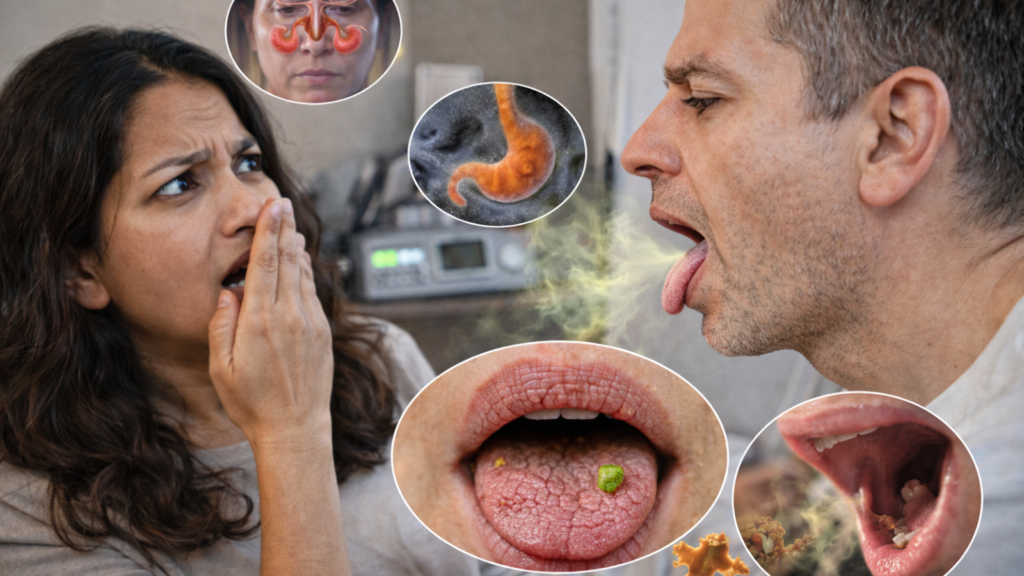
When saliva is low, bacteria and food debris stick around longer, especially on the tongue, making bad breath (halitosis) more likely and more persistent. Dryness can also create an acidic mouth environment that encourages odor-causing compounds and faster plaque buildup. This section shows how to tell when halitosis is dryness-related versus coming from gums, cavities, sinus issues, tonsil stones, or reflux.
Why low saliva causes bad breath (bacteria growth, tongue coating, acidic mouth)
Saliva washes away food debris and dead cells while controlling bacterial populations that produce foul-smelling sulfur compounds, when saliva flow decreases, these bacteria flourish unchecked, creating persistent bad breath. The connection between xerostomia and halitosis is direct and mechanical.
Three specific mechanisms link dry mouth to bad breath.
- Firstly, reduced washing action allows bacteria to colonize the tongue, especially the posterior (back) third where the surface is naturally rough and harbors more organisms. These anaerobic bacteria break down proteins from food, dead cells, and blood into volatile sulfur compounds (hydrogen sulfide, methyl mercaptan) that produce the characteristic rotten egg or sulfur smell.
- Secondly, low saliva creates a more acidic mouth environment. Healthy saliva has a pH of 6.5 to 7.5, which limits acid-producing bacteria. Dry mouth allows pH to drop to 5.5 to 6.0, favoring bacteria that thrive in acidic conditions and produce additional odorous byproducts.
- Thirdly, thick, reduced saliva forms a coating on the tongue and soft tissues that becomes a breeding ground for bacteria. Patients describe their tongue as feeling “fuzzy” or “coated.” This biofilm produces odor continuously.
The bacteria-odor cycle becomes self-perpetuating in xerostomia. Less saliva means more bacteria, which produce waste products that further irritate salivary glands, potentially reducing saliva flow even more.
Morning breath affects everyone to some degree, saliva production naturally decreases during sleep. Dry mouth patients experience severe morning halitosis that persists 2 to 4 hours after waking, whereas people with normal saliva flow notice their breath freshens within 30 to 60 minutes of waking and drinking water.
Signs your bad breath is dryness-related (morning breath, thick saliva, metallic/sour taste)
Distinguishing dry mouth halitosis from other bad breath causes helps target treatment effectively. Dry mouth bad breath shows distinct patterns.
You notice breath odor worsening progressively through the day, reaching peak intensity in late afternoon or evening. Traditional halitosis (from gum disease, poor hygiene) typically registers worst in the morning and improves slightly during the day. Xerostomia breath follows the opposite pattern, it becomes worse as cumulative drying occurs and saliva reserves deplete.
Thick, sticky, or ropy saliva accompanies the odor. You repeatedly try to clear your throat. You taste a metallic, sour, or bitter flavor that lingers despite brushing or using mouthwash.
The smell returns within 30 to 90 minutes after brushing teeth or using mouthwash. Standard oral hygiene provides only brief relief. You feel compelled to constantly sip water or chew gum to maintain freshness.
Breath odor improves temporarily after drinking water, then returns as your mouth dries again. This immediate water response distinguishes dry mouth breath from other causes.
White or yellow coating develops on your tongue, especially toward the back. Your tongue appears geographic (patchy areas) or feels rough.
You notice people stepping back during conversation or offering you mints frequently. Self-consciousness about breath develops, affecting social and professional interactions.
Quick “bad breath triage”: dental causes vs sinus/tonsil stones vs reflux
Bad breath has multiple potential sources beyond dry mouth. A systematic approach identifies the primary cause.
Dental causes remain most common overall. Gum disease produces a distinct putrid smell from infected periodontal pockets. Deep cavities, especially between teeth or under old fillings, harbor bacteria and rotting food debris. Failing dental work, particularly ill-fitting crowns or bridges, trap plaque. Poor oral hygiene leaves bacterial plaque on teeth, gums, and tongue. Dental breath typically smells worse in the morning and improves with brushing.
Sinus infections create a drainage-related smell, thick, yellow or green postnasal drip coating the throat and tongue produces foul breath. You simultaneously experience facial pressure, nasal congestion, and thick mucus. The smell resembles infected mucus.
Tonsil stones (tonsilloliths) form when food particles, dead cells, and bacteria accumulate in tonsil crypts and calcify. These white or yellowish lumps produce an intensely foul smell (often described as “death breath”) disproportionate to their size. You might cough up small, smelly chunks. You see white spots on your tonsils when examining your throat.
Gastroesophageal reflux disease (GERD) allows stomach acid and partially digested food to flow back into the esophagus and mouth. The breath smells sour or acidic. You experience heartburn, regurgitation, sore throat, or a chronic cough, especially when lying down or bending over.
Systemic diseases produce characteristic breath odors: fruity smell (diabetes ketoacidosis), fishy smell (kidney failure), ammonia smell (liver disease). These always appear with other significant symptoms.
Determining the source often requires professional evaluation. A dentist can assess gum health, decay, and tongue coating. An ear-nose-throat specialist evaluates sinus disease and tonsils. A gastroenterologist addresses reflux. Start with a dental exam, this catches the majority of cases.
Simple at-home checks before your visit (tongue, gums, hydration habits, triggers)
You can gather valuable information before your dental appointment through simple self-assessment.
- Tongue examination: Use a mirror in bright light. Look at your tongue surface, especially the back third. A healthy tongue appears pink with a very thin white coating. Thick white or yellow coating, patchy areas, or a “hairy” appearance suggests bacterial overgrowth. Use a tongue scraper daily for 3 to 5 days and observe if the coating improves, this indicates bacteria overgrowth rather than underlying disease.
- Gum check: Gently press your gums with a clean finger. Healthy gums feel firm and do not bleed. Red, swollen gums that bleed easily signal gum disease. Look for pus, abscesses, or recession (teeth appearing longer than before).
- Saliva assessment: Spit into a clean glass. Normal saliva appears clear or slightly cloudy, flows easily, and feels watery. Xerostomia saliva looks thick, foamy, or stringy. Swallow, wait 60 seconds, then note how quickly your mouth feels dry again, rapid drying indicates reduced production.
- Hydration tracking: Record your actual water intake for 3 days. Many patients dramatically overestimate consumption. Adults need 6 to 10 glasses (1.5 to 2.5 liters) of water daily, more with caffeine use or in hot weather.
- Trigger identification: Keep a 1-week diary noting when bad breath worsens and any associated factors, specific foods, medications, stress, alcohol, smoking, caffeine timing. Patterns often emerge that guide treatment.
- Medication review: List all prescription medications, over-the-counter drugs, and supplements with doses. Research each for dry mouth side effects. Bring this list to your appointment.
These observations help your dentist quickly narrow diagnostic possibilities and create a targeted treatment plan during your visit to BrightSmile Dental Clinic.
Diagnosis at a Kathmandu Dental Clinic: What to Expect and What Gets Evaluated
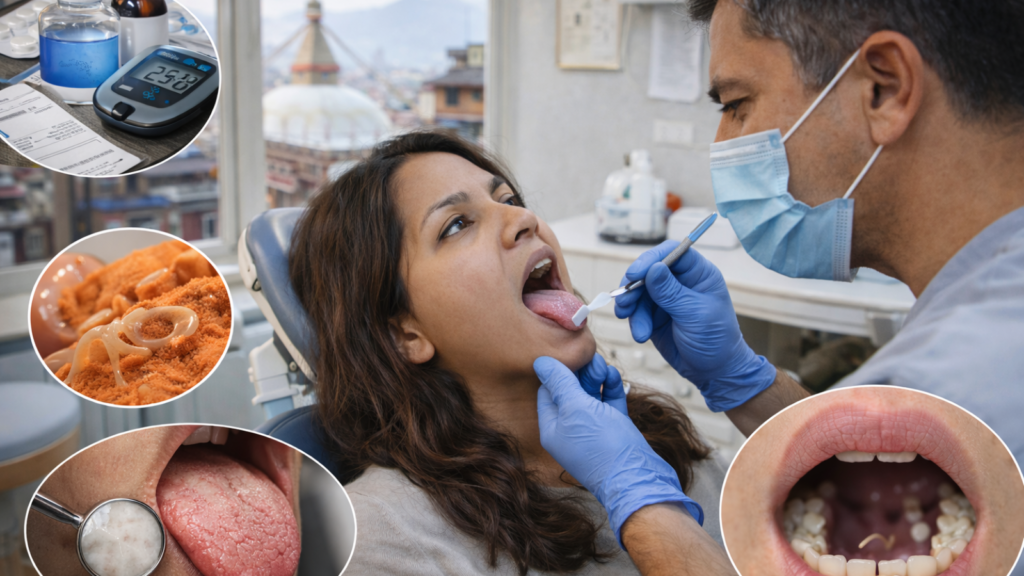
A good xerostomia assessment starts with your medication list, medical history (especially diabetes), sleep habits, and how long symptoms have lasted. Your dentist will check saliva flow, cavity patterns, gum health, tongue coating, and signs of thrush or irritation, then decide if medical coordination or tests are needed. This section also helps you prepare for the visit so you get an actionable plan, not just reassurance.
Bring-this-to-your-visit checklist (med list, diabetes readings, symptom diary, triggers)
Preparation dramatically improves diagnostic accuracy and treatment planning efficiency, bringing complete information allows your dentist to identify underlying causes in a single visit rather than requiring multiple appointments for investigation. Gather these 4 essential items before your appointment.
- Complete medication list: Write down every prescription drug with exact name, dose, and frequency. Include over-the-counter medications (pain relievers, antihistamines, antacids), supplements, vitamins, and herbal preparations. Many patients forget to mention “minor” medications that significantly contribute to dry mouth.
- Diabetes management data (if applicable): Record fasting blood sugar readings from the past 2 weeks and your most recent HbA1c result. Note patterns, whether morning readings run high, whether blood sugar spikes after certain meals. This information helps correlate dry mouth severity with diabetes control.
- Symptom diary: Document dry mouth patterns for 1 week before your visit. Note severity (mild/moderate/severe) at different times of day, what triggers worsening (talking, eating certain foods, stress), what provides relief (water, gum, mouth rinses), and any associated symptoms (bad breath, difficulty swallowing, taste changes, tongue burning). Also record sleep quality and whether you wake with dry mouth.
- Personal and family health history: List any autoimmune diseases (rheumatoid arthritis, lupus, thyroid problems), cancer treatments (radiation, chemotherapy), chronic medical conditions, and relevant family history. Mention if anyone in your family has Sjögren syndrome or other autoimmune diseases.
Photos of your medications or bringing the bottles themselves helps verify names and doses accurately. Many prescription labels in Nepal use generic names that patients do not recognize when asked verbally.
Dental exam focus areas (saliva flow, decay pattern, gum health, fungal infection signs)
A comprehensive xerostomia evaluation goes beyond routine dental examination. Expect your dentist to assess these specific areas.
Saliva flow testing measures production objectively. The simplest method is the unstimulated salivary flow test, you spit all accumulated saliva into a cup for 5 to 15 minutes. Normal flow produces 0.3 to 0.4 milliliters per minute (0.3 to 0.4 mL/min). Flow below 0.1 mL/min indicates severe xerostomia. Stimulated flow testing uses paraffin wax or citric acid to trigger saliva production, normal stimulated flow exceeds 1 mL/min.
Decay pattern reveals xerostomia effects. Dry mouth causes cavities in unusual locations, along gum lines (cervical caries), on root surfaces, and on the biting edges of front teeth. Multiple new cavities appearing simultaneously suggest dry mouth rather than poor hygiene alone. We measure the number of new cavities since your last visit and their locations.
Gum evaluation assesses periodontitis risk. Your dentist probes pocket depths around each tooth using a thin measuring instrument. Healthy gums show pockets of 1 to 3 millimeters (1 to 3 mm). Pockets of 4 millimeters or deeper indicate gum disease. Bleeding during probing signals active inflammation. Dry mouth combined with pockets of 5 millimeters or more requires aggressive intervention.
Oral mucosa examination checks for fungal infections (thrush), ulcers, red patches, or white lesions. Thrush appears as white patches on the tongue, inner cheeks, or palate that do not easily wipe off. Angular cheilitis shows as red, cracked corners of the mouth. These findings indicate immune compromise from reduced saliva.
Tongue assessment examines coating thickness, color (should be pink), and papillae condition. Fissured tongue (deep grooves) and geographic tongue (irregular patches) commonly accompany dry mouth.
Salivary gland palpation involves gently pressing your major salivary glands (parotid in front of ears, submandibular under jaw) to check for swelling, tenderness, or masses. Enlarged glands suggest infection or autoimmune disease.
Tests that may be recommended (saliva flow tests, blood sugar/HbA1c, autoimmune screening, imaging)
Certain patients require additional testing beyond clinical examination. Your dentist coordinates with physicians for medical tests or performs in-office dental diagnostics.
- Saliva flow measurement (sialometry) mentioned earlier provides objective baseline data and tracks treatment response over time. Repeating the test after 6 to 8 weeks of treatment shows whether interventions improve saliva production.
- Blood sugar testing is essential if you have not been diagnosed with diabetes but show risk factors (excessive thirst, frequent urination, slow healing, family history). Fasting blood glucose above 126 mg/dL or HbA1c above 6.5 percent confirms diabetes. Pre-diabetes ranges (fasting 100 to 125 mg/dL, HbA1c 5.7 to 6.4 percent) also require intervention. Diabetic patients should bring recent HbA1c results to dental appointments, values above 8 percent indicate poor control that necessitates more frequent dental visits.
- Autoimmune disease screening becomes necessary when dry mouth appears with dry eyes, joint pain, or recurrent gland swelling. Blood tests check for antinuclear antibodies (ANA), rheumatoid factor (RF), anti-SSA (Ro), and anti-SSB (La) antibodies. Positive results, especially anti-SSA and anti-SSB, strongly suggest Sjögren syndrome. Your dentist refers you to a rheumatologist for definitive diagnosis.
- Salivary gland imaging helps when glands feel enlarged or hard. Ultrasound provides the first-line imaging, it is noninvasive, widely available in Kathmandu, and identifies stones, masses, or structural abnormalities. Sialography (X-ray with contrast dye) or MRI is reserved for complex cases.
- Oral microbial testing identifies specific bacteria or fungi. Culturing oral swabs detects Candida (thrush) and determines appropriate antifungal treatment. Bacterial cultures help when deep gum pockets show unusual infection patterns.
- Salivary gland biopsy (minor labial salivary glands) confirms Sjögren syndrome diagnosis. This minor procedure removes several tiny glands from the inside of your lower lip under local anesthesia. A pathologist examines the tissue for characteristic inflammatory patterns.
Not every patient needs all tests. Your dentist selects tests based on clinical findings, symptom severity, and suspected underlying causes.
Your prevention plan after diagnosis (risk level, recall schedule, home-care targets)
Prevention planning is personalized based on xerostomia severity, underlying causes, and current oral health status. Your dentist categorizes you into risk levels that determine monitoring frequency and intervention intensity.
Low-risk patients have mild, intermittent dry mouth with no current decay or gum disease. Causes are easily modifiable (mouth breathing, occasional antihistamine use). You receive standard home care instructions and return for checkups every 6 months.
Moderate-risk patients experience persistent dry mouth from medications or medical conditions but maintain reasonable oral hygiene. You may have 1 to 3 new cavities or early gum disease (4 millimeter pockets in a few areas). Recall visits occur every 4 months. You receive prescription-strength fluoride products and detailed prevention protocols.
High-risk patients show severe xerostomia with multiple complications, rampant decay (4 or more new cavities), advancing gum disease (5 millimeter or deeper pockets), or recurrent thrush. Causes include diabetes with poor control, Sjögren syndrome, or head/neck radiation history. You require dental visits every 3 months with aggressive preventive therapy.
Your prevention plan includes specific home care targets: brushing frequency and technique (twice daily minimum, soft brush, gentle circular motions), fluoride dentifrice strength (1000 to 1450 ppm standard or 5000 ppm prescription), interdental cleaning method (floss, interdental brushes, or water flosser), tongue cleaning frequency, saliva substitute or stimulant regimen, dietary modifications, and hydration goals.
Professional care protocols specify cleaning frequency, fluoride varnish application schedule (every 3 to 6 months for high-risk patients), dental X-rays interval (every 6 to 12 months depending on decay risk), gum pocket maintenance, and medication or medical coordination needs.
Written care plans ensure clarity. Ask for specific product recommendations rather than general advice, knowing exactly which fluoride toothpaste to purchase or which mouth rinse to avoid prevents confusion.
Remedies That Actually Work: Home Care, Products, and Professional Treatments
Relief usually requires a mix of hydration habits, smart product choices (saliva substitutes or stimulants), and a stronger cavity-prevention routine. The most important goal is protecting teeth with the right fluoride strategy and reducing triggers that worsen dryness, like tobacco, alcohol mouthwash, and constant acidic sipping. This section covers what works fast, what works long-term, and when dentist-led treatments or prescriptions may be appropriate.
Fast relief strategies you can start today (hydration routine, humidifier, lip care, breathing tips)
Immediate symptom relief requires simple environmental and behavioral changes that increase mouth moisture while you address underlying causes, these strategies provide comfort within hours to days. Implement all 4 simultaneously for maximum effect.
Structured hydration routine makes the single biggest difference. Drink 8 to 12 ounces (240 to 360 milliliters) of water upon waking to rehydrate after overnight drying. Sip water throughout the day rather than gulping large amounts infrequently, aim for 3 to 4 ounces (90 to 120 mL) every 30 to 60 minutes. Keep water accessible at your desk, bedside, and in your bag. Set phone reminders if you forget to drink. Avoid iced water, which can shock salivary glands, room temperature or slightly cool water works best. Track actual intake for 3 days to ensure you meet the 2 to 3 liter (2000 to 3000 mL) daily target.
Bedroom humidifier adds moisture to air you breathe during sleep. Dry air accelerates mouth moisture loss, especially during winter months or in air-conditioned rooms. Position a cool-mist humidifier near your bed and run it nightly. Maintain humidity between 40 to 50 percent, higher levels promote mold growth. Clean the humidifier weekly to prevent bacterial contamination. Patients report waking with noticeably less mouth and throat dryness within the first night of use.
Intensive lip care prevents painful cracking. Apply a thick, occlusive lip balm (petroleum jelly, beeswax, shea butter) before bed and reapply throughout the day. Avoid flavored or medicated lip products containing menthol or camphor, which can dry lips further. Lanolin-based products provide excellent moisturization. Use a humidifier to reduce environmental drying. Patients with severe cracking may apply a thin layer of antibiotic ointment to corners of the mouth at night to prevent angular cheilitis.
Nasal breathing training reduces mouth breathing, especially at night. During the day, practice conscious nasal breathing, when you notice mouth breathing, close your mouth and breathe through your nose for 3 to 5 minutes. Address nasal congestion aggressively with saline rinses (neti pot or squeeze bottle) twice daily. Steam inhalation before bed clears passages. Elevate your head with an extra pillow to reduce congestion. Some patients benefit from external nasal dilator strips that open nasal passages mechanically. If you cannot breathe through your nose even with these measures, consult an ear-nose-throat specialist about structural issues (deviated septum, polyps, turbinate hypertrophy) that may require treatment.
Saliva substitutes vs saliva stimulants: sprays, gels, lozenges, sugar-free gum; what to choose when
Saliva substitutes replace missing moisture artificially, while saliva stimulants trigger your glands to produce more natural saliva, choosing the right approach depends on whether your salivary glands still function. Understanding the difference prevents wasting money on ineffective products.
Saliva substitutes work for patients with severely damaged or absent salivary gland function (radiation therapy, Sjögren syndrome, complete medication-induced shutdown). These products contain lubricants like carboxymethylcellulose, hydroxyethylcellulose, or mucin that coat oral tissues and mimic saliva’s physical properties. Available forms include sprays, gels, and rinses.
Sprays (Biotene Oral Balance, Xerostom) provide quick relief and portability. Apply 2 to 4 sprays directly into the mouth every 1 to 2 hours or as needed. The effect lasts 30 to 90 minutes. Sprays work well for public settings where you need discrete relief.
Gels (Oral Balance Gel, Oralube) offer longer-lasting coating, up to 2 to 4 hours. Apply a pea-sized amount to the tongue and spread throughout the mouth with your tongue. Use before bed to prevent nighttime drying. The texture feels thicker than natural saliva initially but provides superior overnight protection.
Rinses (Biotene Dry Mouth Oral Rinse) combine lubrication with gentle cleaning. Swish 15 milliliters for 30 seconds then expectorate. Use after meals to remove food debris while moisturizing. Avoid rinses containing alcohol, which worsens dryness.
Saliva stimulants work when your glands retain some function but need encouragement. These products trigger the remaining functional tissue through taste, mechanical stimulation, or chemical activation.
Sugar-free gum (containing xylitol or sorbitol) provides the most effective mechanical stimulation. Chewing activates salivary reflexes powerfully, patients produce 10 to 20 times more saliva while chewing than at rest. Choose gum with xylitol as the primary sweetener (5 to 10 grams daily provides anti-cavity benefits). Chew for 10 to 20 minutes after meals and between meals when dryness worsens. Mint and citrus flavors stimulate more than fruit or cinnamon flavors.
Lozenges and mints (sugar-free) offer stimulation without chewing. Dissolve slowly in the mouth, do not chew or swallow quickly. Xylitol-containing lozenges (Ice Drops, Ice Breakers) work well. Use 4 to 6 lozenges throughout the day. Avoid products with sugar, which dramatically increases cavity risk when saliva protection is already reduced.
Acidic stimulants (lemon drops, sour candies) trigger powerful saliva production but carry risks. The acid promotes enamel erosion and cavities when used frequently. Reserve acidic stimulants for occasional use only, never more than once daily. Sugar-free versions reduce but do not eliminate decay risk.
Choosing your approach: Try saliva stimulants (gum, lozenges) first if you produce any saliva at all. Chew sugar-free xylitol gum for 2 weeks and assess improvement. If stimulants provide inadequate relief or you have severe xerostomia, add saliva substitutes. Many patients use both, stimulants during the day when they can chew gum, substitutes (especially gels) at night for prolonged coating.
Cost considerations in Kathmandu: sugar-free xylitol gum costs NPR 200 to 400 per package and lasts 1 to 2 weeks; saliva substitute sprays cost NPR 800 to 1,500 per bottle and last 2 to 4 weeks with regular use; gels cost NPR 1,000 to 1,800 per tube and last 3 to 6 weeks. Starting with xylitol gum provides the most affordable, effective first step for most patients.
Dry mouth do’s and don’ts (avoid alcohol mouthwash, acidic sipping, smoking; smarter swaps)
Certain common habits dramatically worsen dry mouth while others provide relief. Making strategic swaps improves comfort and reduces complications.
Don’t use alcohol-containing mouthwash. Most commercial mouthwashes (Listerine, Scope, generic antiseptic rinses) contain 15 to 26 percent alcohol. Alcohol dries oral tissues and irritates already-sensitive mucosa. The temporary fresh feeling disappears within 30 to 60 minutes, followed by rebound dryness worse than before rinsing. Do switch to alcohol-free rinses (Biotene, Colgate Total, or plain warm salt water, dissolve half a teaspoon of salt in 8 ounces of water). These provide gentle cleaning without drying effects.
Don’t sip acidic beverages throughout the day. Constant sipping of lemon water, citrus juices, sports drinks, or carbonated beverages creates continuous acid attack on enamel. Dry mouth patients lack protective saliva to neutralize this acid, leading to severe erosion. Patients develop sensitivity and visible enamel loss within 6 to 12 months of habitual acidic sipping. Do choose neutral-pH beverages like plain water, milk, or non-acidic herbal teas. If you drink acidic beverages, consume them with meals (when you produce more saliva) rather than sipping continuously. Drink through a straw positioned toward the back of your mouth to minimize tooth contact. Rinse with plain water immediately after finishing.
Don’t smoke or use tobacco products. Tobacco reduces saliva production by 30 to 50 percent, as mentioned earlier. It also stains teeth, causes gum disease, and dramatically increases oral cancer risk, all worse when combined with xerostomia. Quitting proves difficult but essential. Do seek smoking cessation support. Nicotine replacement therapy (patches, gum), prescription medications (varenicline, bupropion), and counseling improve quit rates. Many Kathmandu clinics offer cessation programs. Patients notice saliva flow improvement within 2 to 4 weeks of quitting.
Don’t breathe through your mouth habitually. Mouth breathing dries tissues rapidly. Do practice nasal breathing as described earlier. Use saline rinses to keep nasal passages clear. Address allergies with antihistamines that cause less dry mouth (cetirizine, loratadine) or nasal steroid sprays (fluticasone, mometasone) that do not dry the mouth. Treat nasal obstruction definitively.
Don’t eat very dry, sticky, or spicy foods alone. Crackers, chips, sticky rice, peanut butter, and heavily spiced dishes become difficult to chew and swallow with low saliva. Forcing these foods creates choking risk and oral trauma. Do modify food texture and pairing. Moisten dry foods with gravies, yogurt, or mild sauces. Take small bites. Sip water between bites. Choose softer, moister foods (dal, well-cooked vegetables, moist chicken, fish) when xerostomia is severe. Reduce spice intensity, which irritates dry tissues.
Don’t use highly foaming toothpaste. Sodium lauryl sulfate (SLS), the foaming agent in most toothpastes, irritates dry, sensitive oral tissues and can worsen ulcers. Do select SLS-free toothpaste (Sensodyne, some Biotene varieties). These clean effectively without excessive foam and irritation.
Don’t skip meals or fast for extended periods. Eating triggers saliva production. Skipping meals reduces your body’s natural opportunities to stimulate salivary flow. Do eat regular meals and healthy snacks that encourage chewing and saliva production. Choose crunchy vegetables (carrots, cucumbers) as snacks, chewing stimulates saliva while the water content hydrates.
Don’t ignore medication timing. Some drugs cause peak dry mouth effects 2 to 4 hours after taking them. Do discuss timing adjustments with your doctor. Taking xerostomia-causing medications at night might shift peak dryness to sleeping hours when it bothers you less. Splitting doses (where medically appropriate) may reduce peak intensity.
Dry mouth “cavity shield” plan (high-fluoride options, diet timing, cleaning technique, checkups)
Preventing rapid dental decay requires a multi-layered defense strategy that compensates for lost saliva protection, this approach can reduce cavity formation by 60 to 80 percent even in severe xerostomia. Implement all 4 components for maximum protection.
High-fluoride therapy strengthens enamel against acid attack. Standard fluoride toothpaste contains 1,000 to 1,450 parts per million (ppm) fluoride. Dry mouth patients need stronger formulations. Prescription-strength fluoride toothpaste (5,000 ppm, such as Colgate PreviDent) provides 3 to 4 times more fluoride. Use it once daily, typically at bedtime. Apply a pea-sized amount, brush for 2 minutes, then spit without rinsing, leaving a fluoride film overnight maximizes absorption. Available at BrightSmile Dental Clinic in Putalisadak with a prescription.
Fluoride mouth rinses (0.05 to 0.2 percent sodium fluoride) add supplemental protection. Rinse with 10 milliliters for 1 minute daily (separate from brushing by at least 30 minutes). Do not eat or drink for 30 minutes after rinsing. Prescription-strength rinses provide more benefit than over-the-counter versions.
In-office fluoride varnish applied every 3 to 4 months creates a concentrated fluoride reservoir on teeth. The varnish adheres to enamel and releases fluoride slowly over several months. High-risk patients should receive varnish at every recall visit.
Diet timing and composition matter as much as what you eat. Never sip sugary or acidic drinks throughout the day, this creates continuous acid attack. Do consume sweets and acidic foods only with meals, when chewing stimulates saliva production that neutralizes acids faster. Finish meals with cheese (calcium-rich, stimulates saliva) or sugar-free xylitol gum (reduces bacteria, stimulates saliva). Avoid eating or drinking anything except water in the 60 minutes before bed, nighttime represents peak vulnerability when saliva flow nearly stops.
Choose tooth-friendly snacks: cheese, nuts, raw vegetables, plain yogurt. Limit frequency of sugar or starch exposure to 3 to 4 times daily maximum (meals plus one snack). Total amount of sugar matters less than frequency, eating 10 candies at once causes less damage than eating one candy every hour for 10 hours.
Cleaning technique must adapt to dry mouth sensitivity while removing more plaque. Brush at least twice daily (after breakfast and before bed) using a soft or extra-soft brush. Electric toothbrushes with pressure sensors prevent excessive force that damages dry, fragile tissues. Angle bristles toward the gum line at 45 degrees and use gentle circular motions rather than aggressive scrubbing. Spend 30 seconds in each quadrant of your mouth for a total of 2 minutes.
Interdental cleaning becomes critical. Floss or use interdental brushes once daily to remove plaque between teeth where cavities commonly develop in xerostomia. Water flossers (oral irrigators) work well for patients with sensitive gums or poor dexterity. Use lukewarm water to avoid sensitivity.
Tongue cleaning removes the bacterial coating that contributes to decay and bad breath. Use a tongue scraper or the back of your toothbrush daily, cleaning from back to front. Repeat 3 to 5 times, rinsing the scraper between passes.
Checkup frequency must increase. Standard 6-month intervals prove insufficient for dry mouth patients. Schedule professional cleanings and exams every 3 to 4 months (high risk) or every 4 months (moderate risk), finding the right dental in Kathmandu with experience in xerostomia management makes this easier. Your hygienist removes hardened plaque and tartar that home care misses. Your dentist catches small cavities early when they can be treated with minimally invasive techniques (fluoride therapy, remineralization) rather than drilling and filling.
X-rays detect cavities between teeth and under the gum line. High-risk patients need bitewing X-rays every 6 to 12 months rather than the standard 24-month interval. Early detection allows simpler, less expensive treatment.
Dentist-led and prescription options (fluoride varnish, treat thrush, med review coordination, when pilocarpine/cevimeline may help and who should avoid them)
Professional interventions provide relief and protection beyond what home care achieves alone. Your dentist at BrightSmile Dental Clinic coordinates these evidence-based treatments.
Fluoride varnish application delivers concentrated fluoride directly to tooth surfaces. The procedure takes 5 to 10 minutes. Your dentist paints a resin-based varnish containing 22,600 ppm fluoride onto cleaned, dried teeth. The varnish sets on contact with saliva and releases fluoride over the following 3 to 6 months. You avoid eating hard foods for 4 hours and brushing for 12 hours after application to maximize uptake. Studies show varnish reduces cavity formation by 30 to 40 percent in high-risk patients when applied every 3 to 4 months. Cost in Kathmandu ranges from NPR 2,000 to 4,000 per application.
Treating oral thrush (candidiasis) requires antifungal medications. Mild cases respond to topical therapy: nystatin oral suspension (swish 5 mL four times daily for 10 to 14 days) or miconazole mucoadhesive buccal tablets (applied to gum once daily for 14 days). Moderate to severe thrush requires systemic antifungals: fluconazole 100 to 200 milligrams daily for 7 to 14 days. Your dentist prescribes appropriate therapy based on severity. Untreated thrush causes pain, altered taste, and difficulty eating, it also signals immune compromise requiring investigation.
Medication review coordination involves your dentist communicating with your physician about xerostomia-causing drugs. Your dentist prepares a letter documenting oral health impacts (cavity count, gum disease severity) and requests medication review. Your physician considers alternative drugs with less dry mouth effect, dose reduction, or timing changes. Never adjust medications yourself, coordination ensures safety while potentially reducing xerostomia..
Prescription saliva stimulants (pilocarpine, cevimeline) chemically activate muscarinic receptors on salivary glands, forcing them to produce more saliva. These drugs help when glands retain some function but are underactive.
Pilocarpine (Salagen) is prescribed at 5 milligrams three to four times daily. Patients typically notice increased saliva production within 1 to 2 weeks. Effectiveness varies, about 50 to 60 percent of patients report meaningful improvement. Side effects include sweating (most common), increased urination, nausea, and runny nose. Start at a low dose and increase gradually to minimize side effects.
Cevimeline (Evoxac) is prescribed at 30 milligrams three times daily. It shows similar effectiveness to pilocarpine with potentially fewer side effects. Some patients tolerate cevimeline better than pilocarpine.
Who should avoid these medications: patients with uncontrolled asthma (drugs can trigger bronchospasm), narrow-angle glaucoma (increased eye pressure), active peptic ulcer disease, severe heart disease, or those taking certain psychiatric medications. Your physician evaluates contraindications before prescribing. These medications require patience, benefit builds over 4 to 8 weeks of consistent use.
Cost considerations: pilocarpine and cevimeline may not be widely available in Nepal and can be expensive (NPR 3,000 to 6,000 per month). Discuss affordability and availability with your physician before starting.
Take Action Against Dry Mouth Today
Dry mouth is not a minor inconvenience, it threatens your dental health, comfort, and quality of life. The good news is that effective solutions exist for virtually every cause, from simple habit changes to professional treatments.
Schedule a comprehensive dry mouth evaluation at BrightSmile Dental Clinic in Putalisadak, Kathmandu. Our team will assess your saliva flow, identify underlying causes, check for complications, and create a personalized prevention and treatment plan. Early intervention prevents painful, expensive dental problems.
Contact us at +977-9748343015 or brightsmileclinic33@gmail.com to book your appointment. We offer transparent pricing with typical dry mouth evaluations ranging from NPR 2,000 to 3,500, which includes examination, saliva testing, and treatment planning. We serve patients throughout Kathmandu, including Putalisadak, Dhobidhara, Kamaladi, and surrounding areas.
Your mouth deserves the protection that adequate saliva provides. Let us help you restore comfort, prevent decay, and maintain your oral health for years to come.
Is dry mouth always a serious problem?
Dry mouth is not always serious. Temporary dryness from stress, dehydration, or mouth breathing is common. However, persistent dry mouth lasting weeks or causing cavities, sores, or burning may signal an underlying issue. If symptoms continue, see a dentist to prevent decay and gum disease.
Can diabetes cause dry mouth?
Yes, diabetes can cause dry mouth. High blood sugar reduces saliva and increases thirst, which leads to oral dryness. This raises the risk of infections and gum disease. Managing blood sugar and getting dental care help prevent complications from diabetic dry mouth.
Which medications most commonly cause dry mouth?
Medications that commonly cause dry mouth include antihistamines, antidepressants, anti-anxiety drugs, blood pressure medicines, and decongestants. Risk increases when multiple drugs are used together. Do not stop medications without medical advice. Bring your full medication list to dental visits for better care.
Does dry mouth cause bad breath?
Yes, dry mouth causes bad breath by allowing odor-causing bacteria and food particles to build up. Saliva normally removes these, so its absence makes odors worse. Morning breath and dryness after talking or fasting are common. Improving saliva and hygiene reduces the smell.
Can dry mouth lead to cavities even if I brush daily?
Yes, dry mouth can lead to cavities even with daily brushing. Saliva neutralizes acids and protects enamel. Without it, teeth stay exposed to acid longer, causing faster decay. Cavities often form along the gumline or between teeth. Fluoride and timing meals can help protect teeth.
What mouthwash is best if I have dry mouth?
The best mouthwash for dry mouth is alcohol-free. Choose rinses labeled for dry mouth relief or with added fluoride for cavity protection. Avoid strong antiseptics unless directed. Always ask your dentist to match the rinse to your oral health needs.
Do saliva sprays and gels actually work?
Yes, saliva sprays and gels relieve dry mouth symptoms. Sprays offer quick relief during the day, while gels last longer at night. They do not treat the cause but ease discomfort and protect tissues. Combine them with dental care for best results if dryness is severe.
What can I do for dry mouth at night?
Relieve dry mouth at night by using a bedroom humidifier, sipping water, and applying a saliva gel. Avoid alcohol before bed. Try nasal breathing aids if mouth breathing is the cause. If snoring or sleep apnea is suspected, consult a doctor to treat the airway.
When should I see a dentist versus a medical doctor?
See a dentist for cavities, gum bleeding, mouth sores, or burning with dry mouth. See a doctor if you also have dry eyes, joint pain, high thirst, or frequent urination. Both may be needed. If swallowing is hard or you have swelling or fever, seek urgent care.
Could dry mouth be caused by Sjögren’s syndrome?
Yes, Sjögren’s syndrome can cause dry mouth, especially with dry eyes, joint pain, or fatigue. It is an autoimmune disease that reduces saliva and tear production. Dentists may refer for medical testing if symptoms suggest Sjögren’s. Preventing cavities remains essential regardless of the cause.